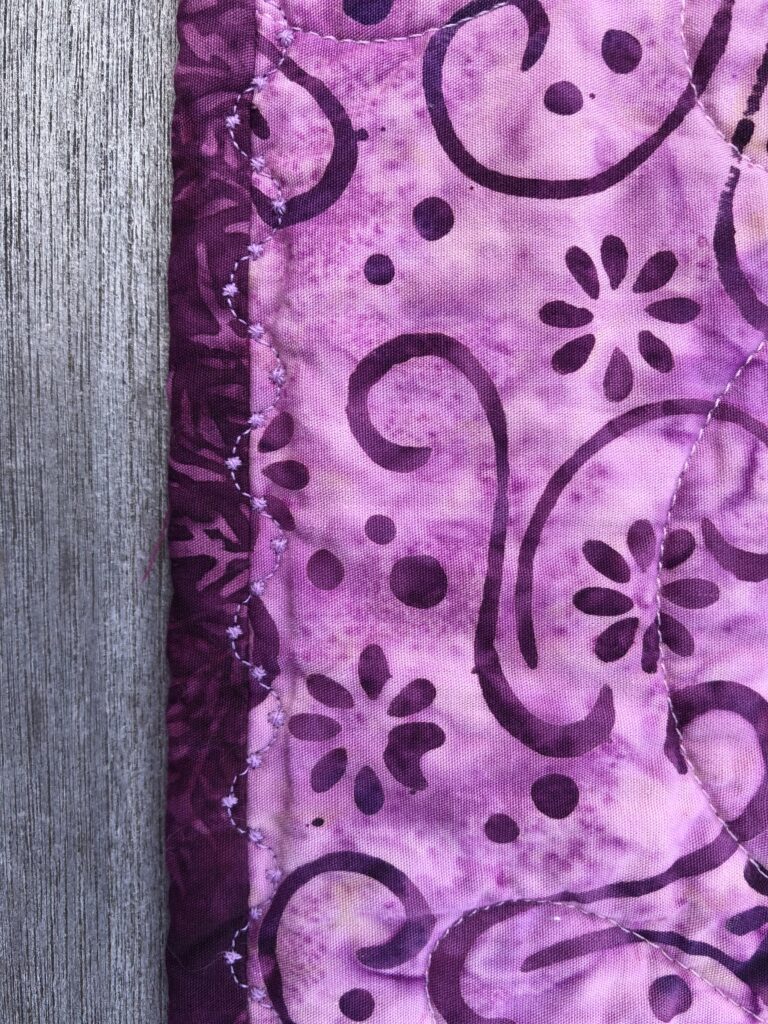
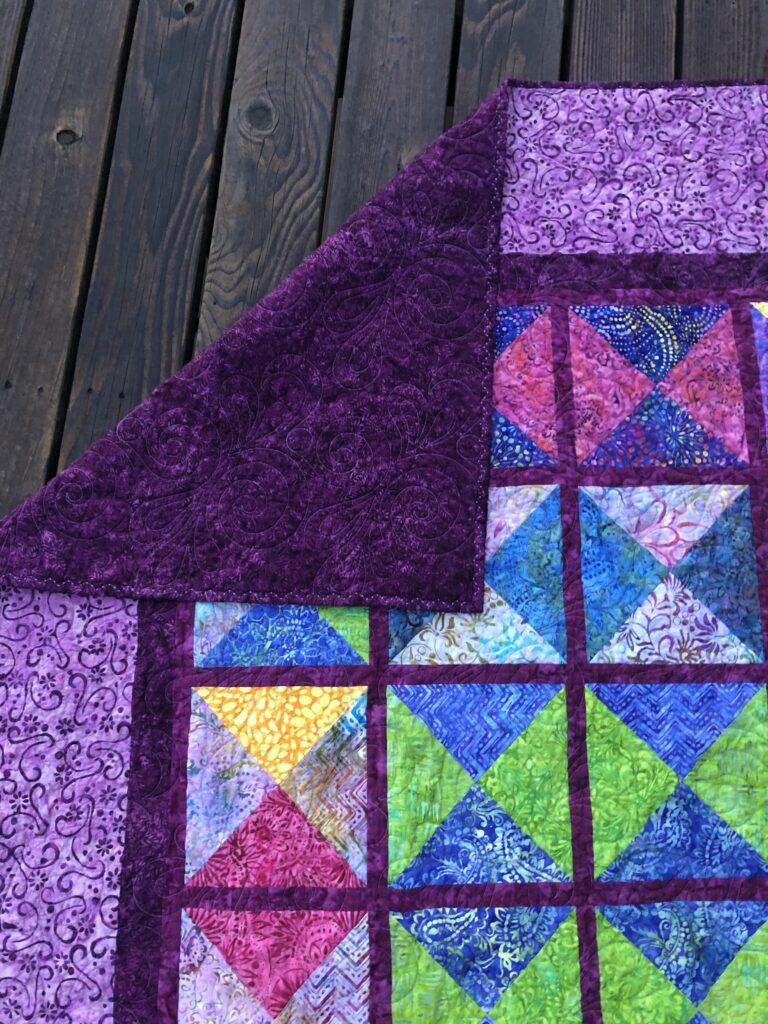
So, you love to quilt but you don’t like the binding process? That’s great! We would love to bind your quilt for you. One way to add value to you quilt is the heirloom binding stitch. Lady VanWinkle’s provides a beautiful finished binding stitch and she is ready to help you finish your quilt. See the binding stitch below. CLICK on one of the links below to visit Lady VanWinkle’s Longarm Stitching Service page or, click on the Contact link.
Are you looking for a Longarm Quilter? Look no further! Lady VanWinkle’s has many beautiful quilt patterns to choose from and the pricing is very reasonable. Visit Lady VanWinkle’s website and Click on the Services and Pricing page. And, while you are there, Click on the Testimonials page and see what people are saying. If you are still not sure, take a look at the Quilt Gallery.
At Lady VanWinkle’s studio you can schedule an appointment to choose your pattern and thread color in a relaxing smoke free environment.
Are you looking for high quality service? Lady VanWinkle’s the place to go!
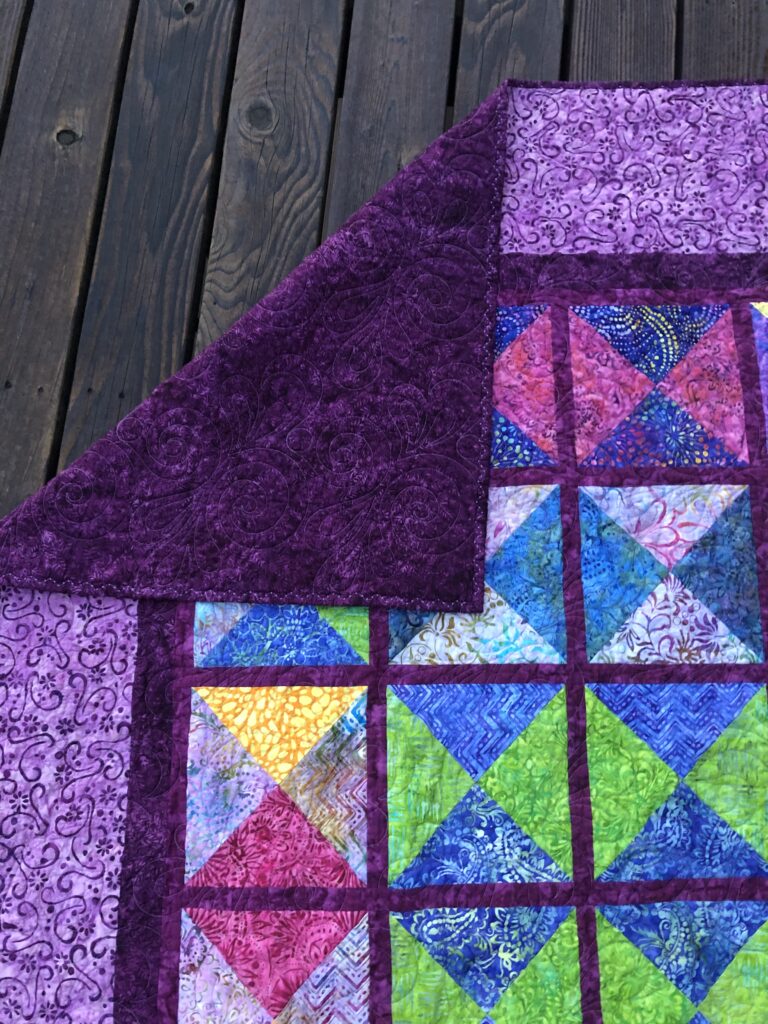
I recommend adding borders to quilts for a few reasons. Borders add a nice touch to a quilt. It is like putting a frame around a picture; it adds dimension and gives the quilt a finished look. I like using a one and a half inch to two inch wide border that contrasts the colors in the quilt, then add a four inch to six inch border fabric that matches or complements one of the patterns used in the quilt.
Another reason the you might want to add borders is that adding borders is a quick way to add to the width and length of your quilt. Have you ever found a quilt pattern that you really liked but the pattern dimensions were too small. Don’t let that stop you. Use the pattern and add borders to the desired width and length.
The final reason why I recommend borders is that sewing the borders around your quilt ties in the edges of the piece work. If you decide you do not want borders you will need to sew a stitch around the edges of your quilt to prevent the pieces from separating and stretching. The longarm quilter will most likely charge you an extra fee if it’s not done.
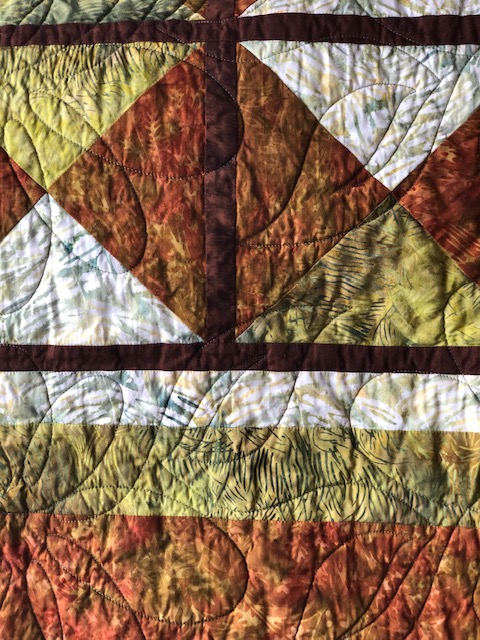
Lady VanWinkle’s provides a Longarm quilting service to quilters who want to enhance their hand crafted projects with high quality edge to edge stitches.
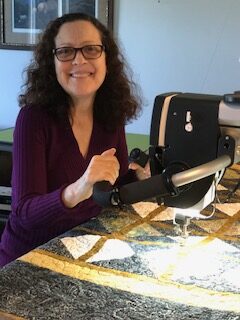
The owner, Diana Reedy VanWinkle, is passionate about working with you to choose the best pattern and thread color for your quilt. She provides a smoke free environment so your quilt leaves the studio smelling fresh.
All quilting is done using the Bernina Q24 Longarm machine with the Q-Matic computer that produces high quality stitches for the quilt you want to SHOWCASE or HEIRLOOM Quilt you want to pass down to a loved one.
Lady VanWinkle’s Studio is located in Cascade Locks.
WHITE FABRIC: Use white thread when sewing quilt top pieces, IF using white or light fabric in your quilt top. This prevents colored thread from showing through on the quilt top.
IF NO BOARDERS: Sew 1/8” inch around quilt top if you are NOT using boarders. This prevents seams from separating at the ends during the longarm quilting.
MISSED STITCHES: Double CHECK seams to make sure there are NO missed stitches. Once the quilt is loaded on the machine it’s difficult if not impossible to repair.
BACKING & BATTING: Cut backing and batting a MINIMUM of 4” INCHES beyond each side of the quilt top. That equals a total of 8” inches LONGER and 8” inches WIDER than the quilt top.
BACKING: When piecing backing together: Remove the salvage; Use a ½” inch stitch allowance; Press open; IRON OUT heavy wrinkles and creases.
BATTING: When sewing two pieces of batting together to make one large piece, use a ZIGZAG stitch and overlap batting material 1/2 “ to 1″ inch. If batting is butt together there is a high chance the batting will separate. If using an iron on tape to assemble batting, follow the provided instructions.
WAVY QUILT/BOARDERS: To minimize a wavy quilt and wavy boarders, square individual pieced blocks before assembling blocks together. If adding boarders to quilt, 1) sewing the two vertical boarders leaving a couple inches at each end; 2) Iron the boarders open; 3) Trim excess material using a quilting square ruler to square up the two boarders. Boarders are to be squared to the quilt. 4) Sew the two horizontal boarders leaving a couple inches at each end. Do not trim excess material until after your quilt has been through the Longarm process.
When selecting the best thread and needle size for your project it’s best to consult your machine’s manual first. If you do not have a manual, check YouTube. YouTube has many sewing machine manuals for the vast brands and models.
Today, I will be referring to only needles and threads used for Piecework Quilting and Longarm Quilting.
NOTE: Thread weight (wt) gets heavier as the wt. number gets smaller. Example, 40 (wt) thread is heavier than 50 (wt) thread. Needle numbering gets larger as slot size gets bigger. Example, a 80/12 needle slot is smaller than 100/16 needle slot.
Piece Work Quilting: (Sewing Quilt Top Pieces Together)
Thread – When quilting piecework, I use 50 (wt) lighter thread. My favorite brands are Mettler and Gutermann cotton with a silk finish or a polyester. There are several brands of thread on the market. Choose a thread that you cannot break easily when you pull the thread using your hands.
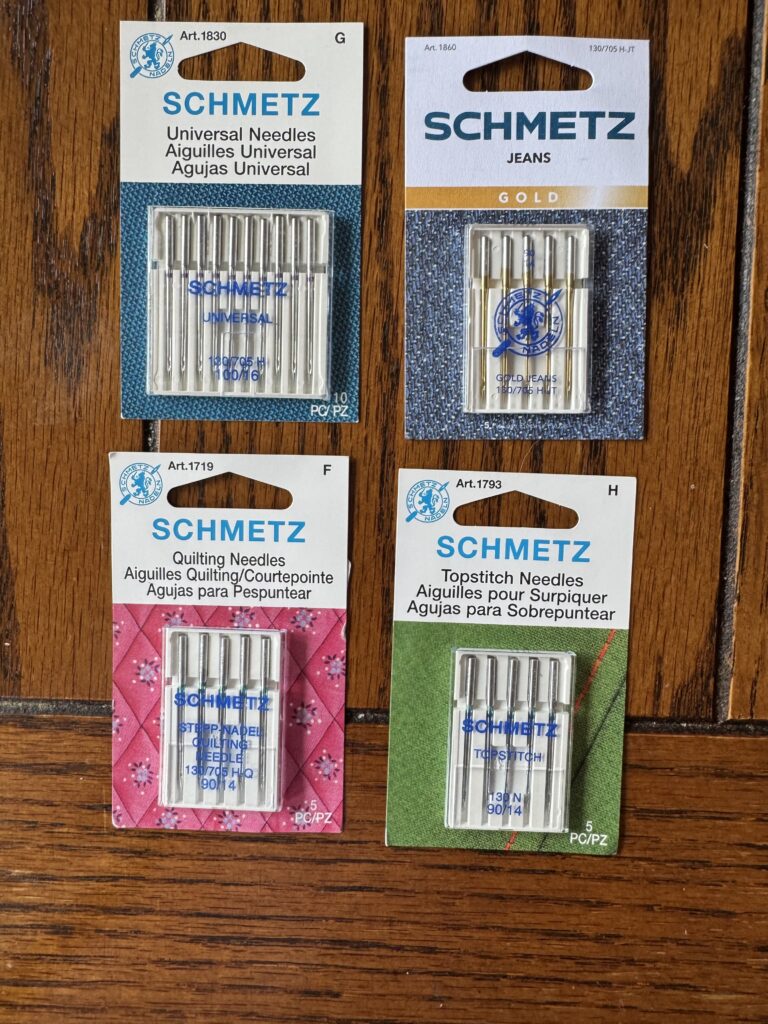
Needles – When using 50 (WT) thread for piece work, I use the Schmetz 80/12 or the 90/14 depending on the type of fabric. For tightly woven batiks I use Schmetz 80/12 and for regular cotton fabrics I use Schmetz either 80/12 or 90/14. If you are using the Schmetz Universal Needle and you are experiencing skipped stitches try the Schmetz brand Quilting Needle.
Longarm Quilting: (Sewing the Quilt Top, Batting & Backing Together)
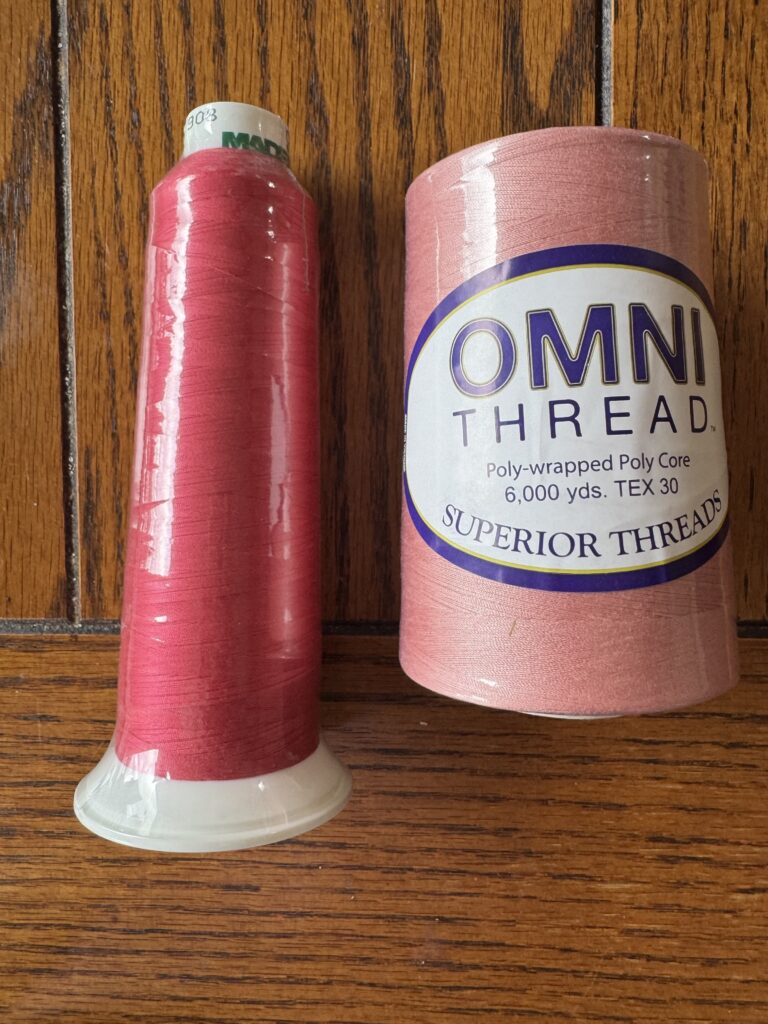
Thread – When Longarm quilting I use 40 (wt) heavier thread. My favorite is Omni/Superior or Madera. There are several brands of thread on the market. I use the polyester thread for longarm stitching. Polyester 40 (wt) thread has a higher tensile strength that allows high speed stitching with reduced thread breakage. Other benefits are, polyester thread does not shrink and is almost lint free reducing the cleaning in the bobbin area.
Needles – When using 40 (WT) thread for Longarm Quilting, I use the Schmetz 90/14 or the 100/16 depending on the type of fabric. For tightly woven batiks I use Schmetz 80/14 and for regular cotton fabrics I use Schmetz 100/16. If you are using the Universal Needle and you are experiencing skipped stitches or breakage try using a needle specifically for Quilting, Top Stitching or the Jeans Gold needle. These needles are sharp and are made for sewing multiple layers of fabric.
NOTE: When Binding quilts, I use the Schmetz Quilting, Top Stitch or Schmetz Jeans Gold needle to stitch the many layers of fabric.
QUILTS ARE VALUABLE… As a general guide, a queen-size quilt will sell anywhere from $650 to $3,000. A baby-quilt or lap-quilt will sell anywhere from $175 to $550. There are Art-Quilts that sell for $7,000 plus. Good quality handcrafted quilts are heirlooms and are handed down for generations. Quilts make wonderful gifts for weddings, birth of a child or for personal use. People are prepared to spend big money for Quilts.
You can google… ‘The the Most Expensive Quilt Ever Sold at Auction’. You will find it is the Civil War-era quilt known as the Reconciliation Quilt. It was bought for $264,000 at Sotheby’s in 1991.
And, Let’s not forget the sentimental value! Priceless
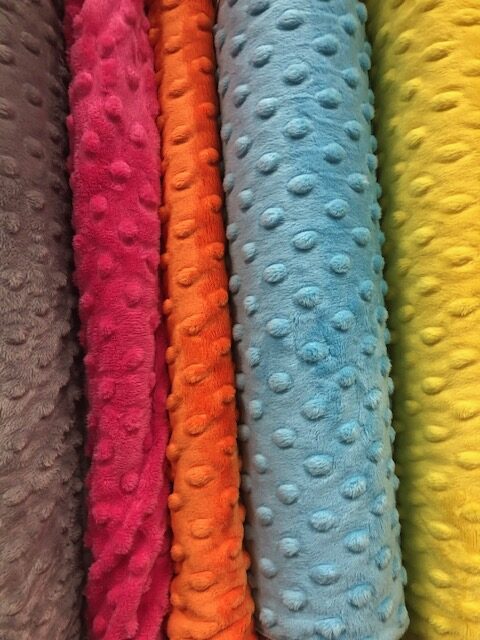
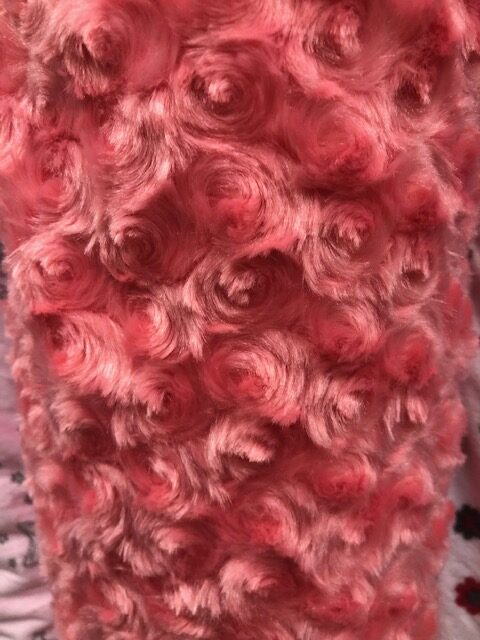
Minky fabric is an ultra soft luxurious microfiber. Minky is mostly used to make baby blankets. However, the popularity of Minky is growing. Many quilters are using minky fabric for the backing on the lap quilts. Minky comes in several brilliant colors and textures. many colors and textures.
Batik is a centuries old tradition for dyeing material. Batik is the art of wax-resistant dye on fabrics to create beautiful and colorful designs. The wax is made-up of the mixture of Beeswax, paraffin and resin. The wax is then applied using a stamp or a Tjanting tool (wax stylist). The Tjanting tool is made with bamboo, a copper spout and a copper reservoir. The Tjanting tool is dipped in hot wax and the wax is applied to the designs drawn on materials. You can purchase an electric Tjanting tool today.
Once the waxed design is complete on the material, the material is then submerged in dye, then washed and hung to dry. For multiple colors the batik process is repeated for each color. Below is a sample of what Batik Material looks like. As you can see Batik is very vibrant.
The main reason you might want to have your quilt finished on a Longarm quilting machine is that the longarm computerized stitching adds value to your quilt. Quilts are usually passed down through the generations. Having your quilt finished by a professional longarm quilter will ensure the life of your quilt through the years. The benefit is, there are so many beautiful patterns to choose from. Your longarm quilter will help you choose a pattern and thread color that best compliments your quilt. If you are looking for one on one consultation in a relaxed, no rushed environment go to Lady VanWinkle’s and schedule an appointment .
Another reason might want use a longarm quilter is that it will free up your time to start your next project. At this time Lady VanWinkle’s has a one week turnaround time compared to many other studios that have a four to eight week turnaround time.
A Longarm quilting machine stitches the quilt top, batting and backing together. Lady VanWinkle’s has the Bernina Q24 with the Q-Matic computerized patterns. This machine has many high quality stitch patterns available to choose from. So, if you are making the quilt for your loved one or for yourself and you want to add that special quality touch, go to Lady VanWinkle’s.